Scientific Name: Malus halliana Koehne
Common Names: Hall's Crabapple, Drooping Crabapple
Classification: Rosaceae, Malus – Deciduous Small Tree / Spring Flowering Tree
1. Variety Characteristics
-
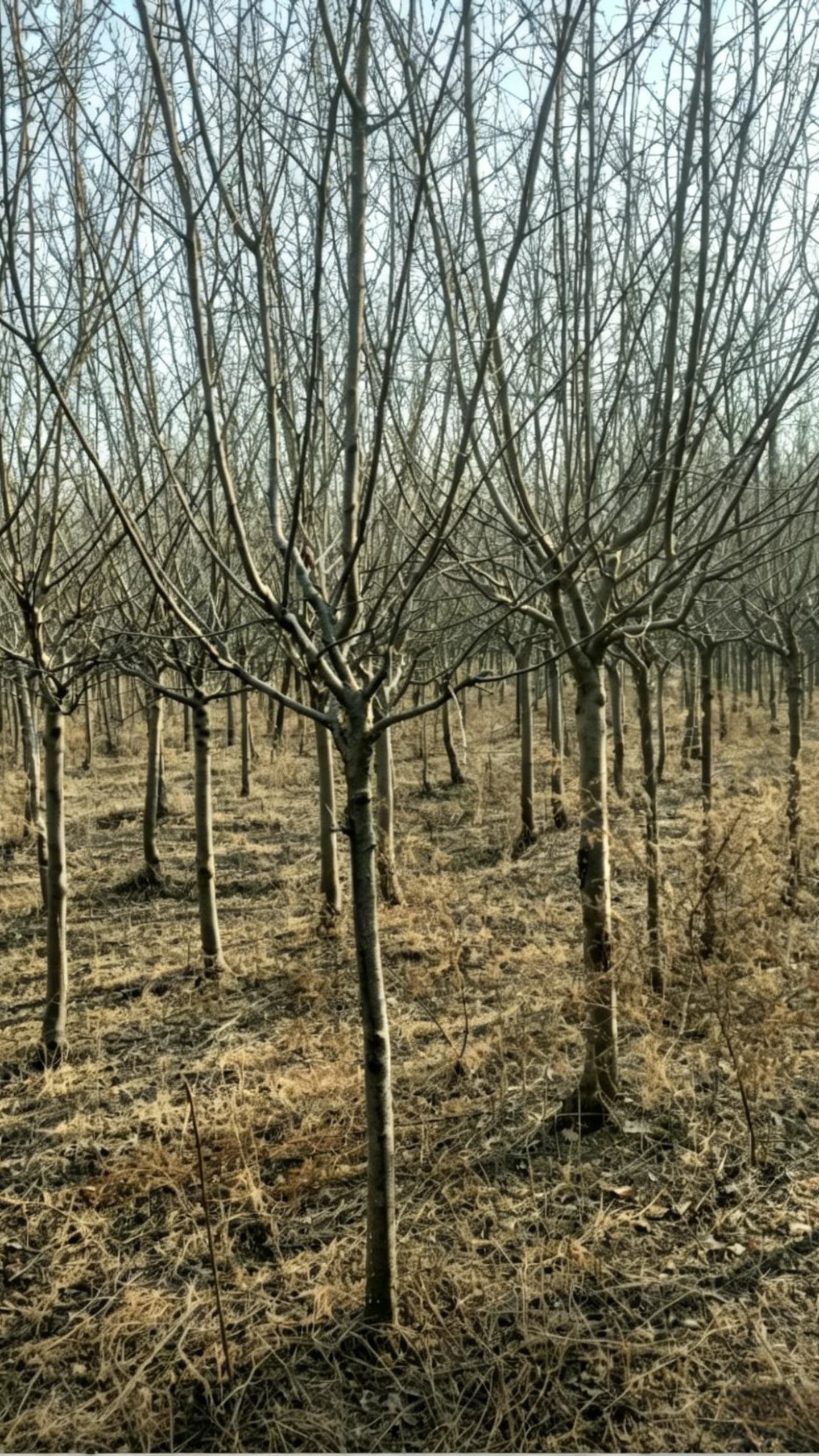
Plant Morphology: Deciduous small tree, usually 3–6 m high (occasionally up to 8 m); spreading crown, branches spreading and drooping (especially pedicels and young branches); branchlets purple-brown or dark purple-red; leaves alternate, ovate or elliptical, 3.5–8 cm long, margins finely blunt-serrate, young leaves often tinged with purple-red.
-
Floral Performance: Corymb with 4–6 flowers; pedicels slender and drooping (2–4 cm long), purple-red; petals obovate, apex slightly concave, flowers initially deep pink then fading to near white or pale pink, diameter about 3–3.5 cm; flowering period March–April (opening before or with leaves); pome near spherical, purple, 0.6–0.8 cm diameter, persistent until early winter.
-
Seasonal Interest: Spring pink flower waterfall → Summer dense green shade → Autumn golden-orange leaves → Winter purple-red branches and persistent fruits, attractive in all four seasons.
2. Ecological Habits
-
Light: Sun-loving species, prefers full sun; flowers are more abundant and colorful with sufficient light; tolerates light partial shade, but too much shade leads to fewer flowers and leggy growth.
-
Soil: Suitable for loose, fertile, well-drained slightly acidic to neutral sandy loam; avoids saline-alkali soil and waterlogged lowlands (prone to root rot).
-
Resistance: Relatively cold-hardy (can withstand temperatures around -15°C, cultivated in open ground in southern North China and further south); moderate drought resistance; strong sprouting ability; common pests and diseases include rust (alternate host Juniperus), aphids, and longhorn beetles, requiring isolation from Juniperus or regular control.
3. Engineering Application Scenarios
-
Specimen Planting: Center of lawns, waterside, main courtyard landscape; "Begonia Sleeping in Spring" is a classic landscaping theme.
-
Pair or Row Planting: Main entrances of residential areas, along both sides of garden paths, forming a spring flower corridor.
-
Group Planting / Specialized Gardens: Combined with Malus micromalus, cherry blossoms, and magnolias to form spring flower gardens or flower border backgrounds.
-
Chinese/Japanese Courtyards: Planted in front of white walls, beside stones, paired with lattice windows for framing, reflecting traditional aesthetics.
4. Nursery Stock Quality Indicators
|
Item Name |
Specifications |
|---|---|
|
DBH / Caliper |
Φ 3 cm / Φ 5 cm / Φ 6 cm (by design grade) |
|
Height (H) |
200–350 cm (matched with DBH) |
|
Crown Width (P) |
≥ 150–250 cm, uniform and full crown, no lopsidedness |
|
Branching Point |
Uniformly neat (usually 80–120 cm or as requested), 3–5 main branches layered |
|
Root Ball Size |
8–10 times the DBH, intact root system |
|
Quality Requirements |
Good healing of graft union (if grafted), no quarantine pests or diseases, no mechanical damage to bark |
5. Planting and Maintenance Points
-
Planting Season: Best from autumn after leaf fall to early spring before budding; container seedlings can extend the construction period (avoid extreme summer heat).
-
Water and Fertilizer: Thorough initial watering; apply decomposed organic fertilizer or compound fertilizer 2–3 times a year during the growing season; top-dress with P and K fertilizer before flowering; avoid waterlogging.
-
Pruning: Thin out overcrowded, crossing, and inward-growing branches during winter dormancy to maintain a natural spreading shape; remove spent fruits promptly after flowering (if not harvesting seeds) to reduce nutrient consumption.
-
Pest Control: Focus on preventing rust (do not plant near Juniperus or spray triadimefon in spring), aphids, and longhorn beetles; seal and kill longhorn beetle holes promptly.