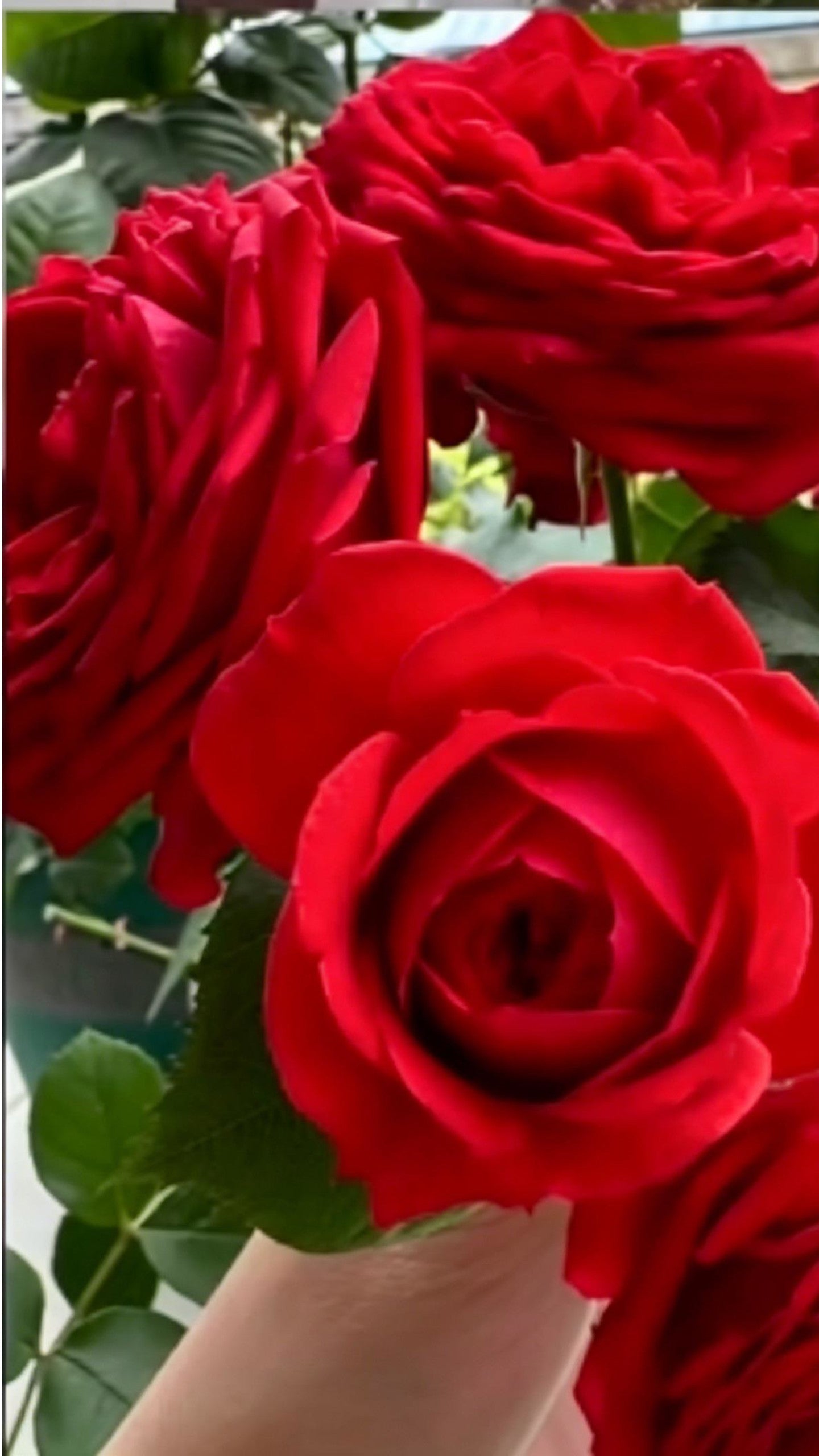
Scientific Name: Rosa hybrida Hort. (Modern Rose)
Common Names: Queen of Flowers, Monthly Rose
Classification: Rosaceae, Rosa genus · Deciduous/Semi-evergreen shrub | Engineering common types: Large-flowered Rose, Floribunda Rose, Climbing Rose, Tree (Lollipop) Rose, Groundcover Rose
1. Variety Characteristics
-
Plant Morphology: Shrub or climber, height varies from 0.3–2 m depending on type; stems with hooked prickles or thornless (horticultural varieties), odd-pinnate compound leaves, 3–5 leaflets, ovate to elliptic-ovate, with sharp serrated edges, dark green and glossy surface.
-
Flower Performance: Flowers solitary or in clusters forming corymbs, flower diameter 5–12 cm, single to double petals; colors include red, pink, yellow, white, purple, orange, and bicolors, most varieties are fragrant. Natural flowering period in the Yangtze River basin is April–November, with multi-season blooming (Floribunda and Large-flowered types); some varieties have peak blooms in spring and autumn.
-
Fruit: Rose hips are obovate or pear-shaped, ripening to orange-red.
2. Ecological Habits
-
Light: Strongly heliophilic, prefers full sun and well-ventilated environments; best flowering occurs with ≥6 h of direct sunlight daily; shaded environments lead to fewer flowers and disease susceptibility.
-
Temperature: Optimum 15–26°C, can tolerate short-term low temperatures of -10 to -15°C (open field south of North China), growth slows and enters semi-dormancy above 30°C.
-
Soil: Prefers loose, fertile, organic-rich, well-drained slightly acidic to neutral sandy loam (pH 6.0–7.0); avoid waterlogging and saline-alkali soil.
-
Resistance: Relatively drought-tolerant and cold-tolerant; common diseases are black spot and powdery mildew, requiring good ventilation and regular prevention.
3. Engineering Application Scenarios
-
Flower Beds/Borders: Floribunda and Large-flowered roses planted in patches in park flower beds, road dividers, and entrance squares.
-
Vertical Greening: Climbing roses used for walls, fences, flower stands, and arches to create floral walls or corridors.
-
Topiary Nodes: Tree Roses (Lollipop Rose) used as solitary or paired accents at garden nodes, path sides, or centers of circular flower beds to enhance vertical hierarchy.
-
Groundcover/Slope Stabilization: Groundcover roses used for slope protection or groundcover under color blocks to reduce maintenance.
4. Sapling Quality Indicators
|
Project Name |
Specifications |
|---|---|
|
Sapling Age |
1–2 year old container seedlings / 2–3 year old grafted tree roses |
|
Height (H) |
0.3–0.5 m (Floribunda) / 0.8–1.5 m (Climbing) / 1.0–1.5 m stem height (Tree Rose) |
|
Crown Width (P) |
≥20–40 cm, multi-branched (Floribunda/Large-flowered); Tree Rose crown ≥30–50 cm |
|
Container Requirements |
Nutritional cup/pot diameter 10–20 cm, roots intact, no pot-binding |
|
Grafted Sapling Requirements |
Strong graft union, no healing issues, variety clearly labeled, rootstock is Rosa multiflora or Rosa canina |
|
Tree Rose (if any) |
Straight stem, specified stem diameter (e.g., 2–4 cm), uniform crown shape |
|
Quality Requirements |
No black spot or powdery mildew, normal leaf color, no serious insect damage, clear variety identification |
5. Planting and Maintenance Key Points
-
Planting Season: Spring before sprouting or late autumn/early winter during dormancy; container seedlings can be planted year-round (avoid summer heat).
-
Pruning: Heavy pruning in winter to maintain height and shape; prompt deadheading during growth to encourage new flowers; remove suckers from the rootstock of grafted roses.
-
Water and Fertilizer: Heliophilic and "heavy feeders"; apply organic fertilizer as base; top-dress with phosphorus and potassium-rich composite fertilizer during growth and after flowering; keep soil moist but not waterlogged.
-
Pests and Diseases: Focus on prevention of black spot, powdery mildew, aphids, and thrips; maintain good air circulation.