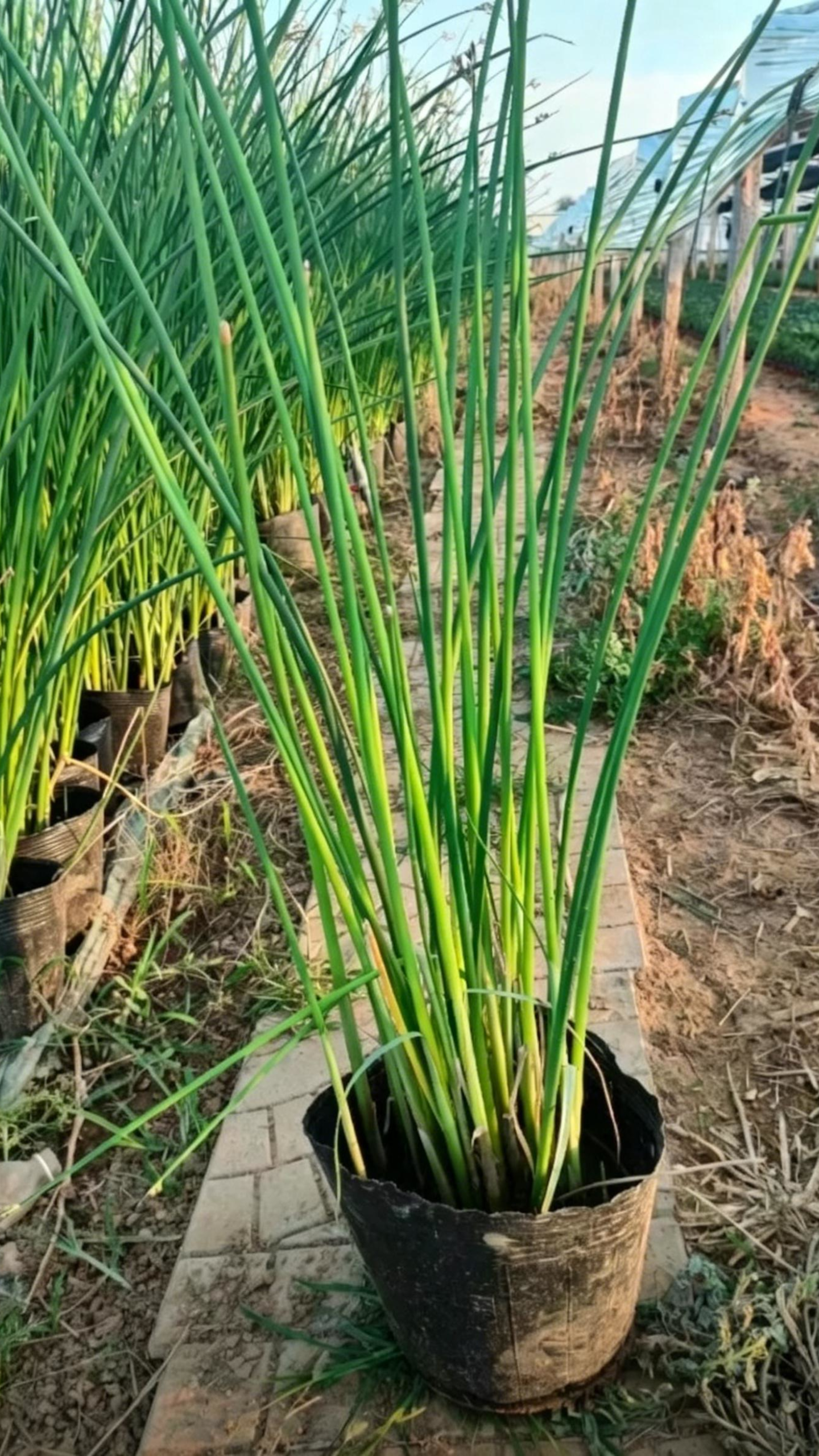
Scientific Name: Schoenoplectus tabernaemontani (C.C.Gmel.) Palla [Formerly Scirpus validus]
Aliases: Guan Cao, Tube Grass, Chong Tian Zi (Local common names)
Classification: Cyperaceae, Schoenoplectus · Perennial emergent hydrophyte / Wetland purification plant
1. Variety Characteristics
-
Plant Morphology: Features thick creeping rhizomes underground. Aboveground stems are cylindrical, hollow, smooth, and grey-green or glaucous. Height ranges from 1–2 (occasionally 3) m, with a diameter of 0.5–1.5 cm. No obvious leaves (only 1–3 brownish-purple sheath leaves at the base). Lateral umbel-like inflorescence; flowers are light yellowish-brown (blooming June–August); nutlets are biconvex and obovate.
-
Cultivars: The Striped Bulrush (S. tabernaemontani 'Zebrinus'), featuring white horizontal zebra-like bands on the stems, is commonly used for refined landscape focal points.
-
Seasonal Performance: Sprouts in spring → Upright lush green cylindrical stems in summer → Turns yellowish-brown in autumn → Aboveground parts wither in winter while underground rhizomes overwinter.
2. Ecological Habits
-
Water Level Requirements: Adapted to shallow water areas or saturated moist mud. Optimal water depth is 5–30 cm (up to 50 cm in still water). It also tolerates short-term shallow flooding or seasonal dry-wet cycles.
-
Light: Prefers full sun for vigorous growth and thick stems. Tolerates light partial shade, but excessive shade leads to thin, weak stems prone to lodging.
-
Soil: Prefers clayey pond mud, swamp soil, or silt rich in organic matter. Tolerates moderate fertility and slight salinity/alkalinity.
-
Temperature: Optimal growth temperature is 15–30°C. Underground rhizomes can survive winters at -15 to -20°C (as long as the mud does not freeze solid). Suitable for open-field cultivation in most regions.
3. Engineering Application Scenarios
-
Artificial Lakes/Pond Shallow Zones: Planted in patches along shallow shorelines. Its vertical cylindrical stems provide a strong sense of line, softening hard embankments. Often paired with Lotus, Pickerelweed, and Yellow Iris to build aquatic plant communities.
-
Ecological Filters/Purification Zones: Excellent pollution tolerance and root purification capabilities. Commonly used in subsurface or surface flow wetland sewage treatment systems.
-
Rustic Water Landscapes: Planted sparsely on naturalistic banks to create a simple, tranquil "water town" atmosphere.
4. Sapling Quality Indicators (Example - Engineering Emergent Plants)
| Item Name | Specifications |
|---|---|
| Age/Form | 1–2 year old division saplings / Potted saplings (Recommended for projects) |
| Height (H) | 80–120 cm / 120–180 cm (Can be trimmed to 60–80 cm before shipping) |
| Clump Diameter/Buds | ≥ 5–10 buds (stems) per clump, thick rhizomes |
| Container Requirements | Pot diameter 12–15 cm / 15–18 cm, fully developed root system |
| Quality Requirements | Stems lush green and solid, no obvious mechanical damage, no serious pests, pure variety |
5. Planting & Maintenance Key Points
-
Planting Season: Best from spring sprouting to summer. Potted saplings can be planted year-round as long as the water does not freeze.
-
Pruning: After aboveground parts wither in winter, remove dead stalks (leaving 5 cm above the mud line) to promote tidy growth the following year.
-
Water & Fertilizer: Maintain a shallow water environment. Apply NPK compound fertilizer 1–2 times during the growing season depending on growth vigor.