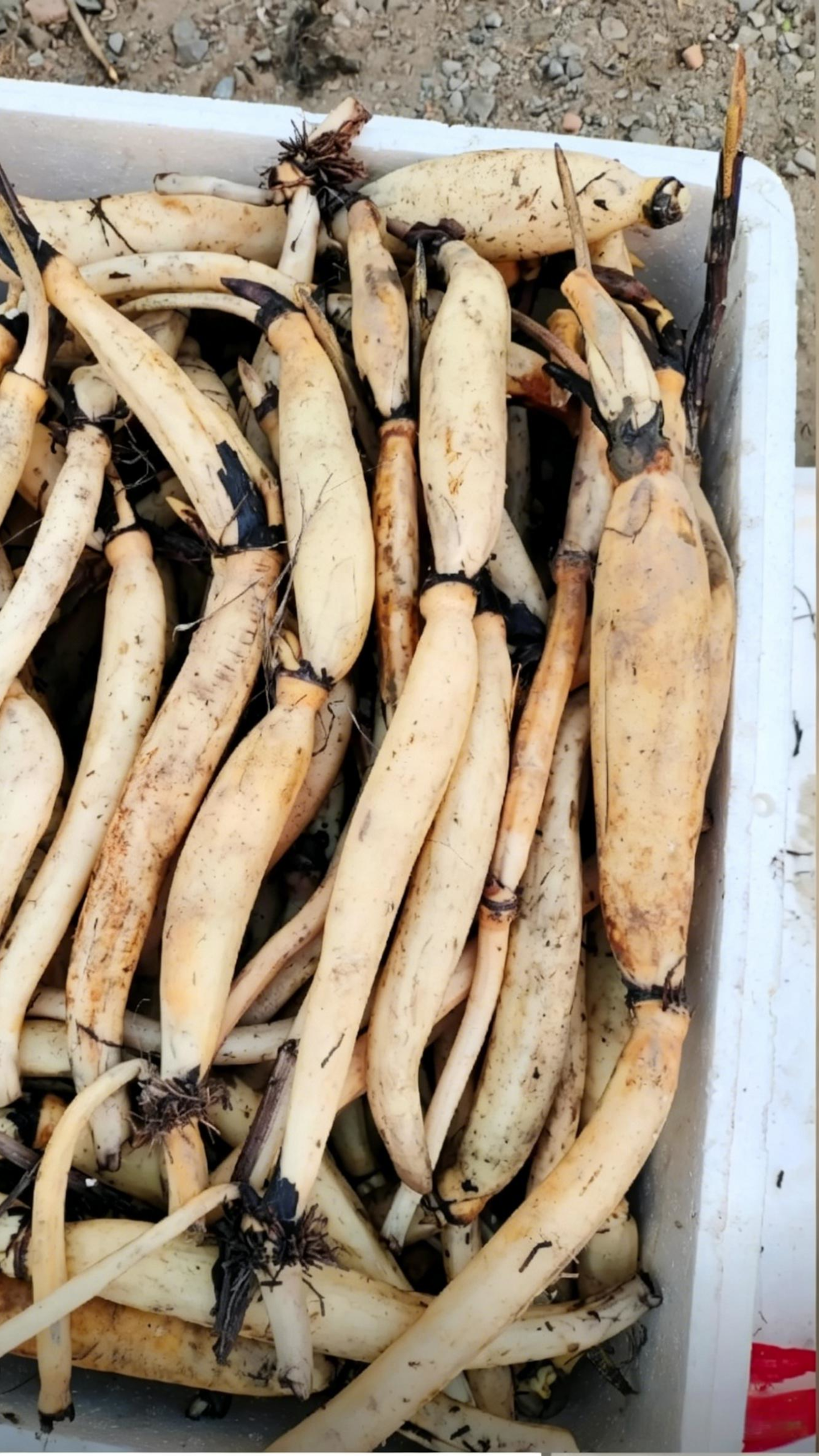
Scientific Name: Nelumbo nucifera Gaertn.
Aliases: Sacred Lotus, Water Hibiscus, Handan
Nursery Stock Classification: Nelumbonaceae, Nelumbo genus · Perennial emergent aquatic herb / Wetland aquatic flower
1. Variety Characteristics
-
Plant Morphology: Features enlarged underground rhizomes (lotus roots) with swollen internodes; leaves are dimorphic—emergent leaves (standing above water, 30–70 cm in diameter, with long petioles covered in prickles, wax-coated papillae on the surface making them water-repellent) and floating leaves (juvenile); flowers are solitary, large and showy, 10–25 cm in diameter (up to 30 cm for large cultivars), in pink, white, red, or bicolor (ornamental types), blooming from June to September; nuts (seed pods) are inverted-conical, ripening from September to October.
-
Variety Classification (Common Engineering Types):
-
Bowl/Tub Lotus: Dwarf varieties, 30–50 cm tall, suitable for decorative pots, tubs, and shallow pools.
-
Pond/Lake Lotus: Large to medium types, emergent leaves 80–150 cm or taller, suitable for large-scale planting in ponds, lakes, and wetlands.
-
Seed/Rhizome Lotus (Edible Type): Occasionally used in agricultural tourism parks.
-
-
Seasonal Performance: Leaves emerge in spring → Peak bloom in summer → Fruiting in autumn → Above-ground parts wither in winter, while rhizomes overwinter underground.
2. Ecological Habits
-
Water Level Requirements: Varies by variety—Bowl Lotus 5–15 cm, Small/Medium Pond Lotus 20–40 cm, Large Lake Lotus can tolerate 50–80 cm (not exceeding 1 m); avoid sudden changes in water depth.
-
Light: Strong heliophyte (sun-loving plant); full sun (≥6 hours of direct light) ensures more blooms and vigorous growth; flowers sparsely or not at all in shaded environments.
-
Soil: Prefers clayey pond mud or river silt rich in organic matter (15–30 cm silt layer); avoid sandy, highly permeable soils and fast-flowing water bodies.
-
Temperature: Prefers high temperatures (optimal growth at 25–30°C); not cold-hardy; underground rhizomes must overwinter below the frost line.
3. Landscape Application Scenarios
-
Wetland/Lake Landscapes: Creating magnificent waterscapes of "limitless green lotus leaves touching the sky"; it serves as the core framework plant for aquatic landscapes.
-
Garden Pond Accents: Paired with water lilies, Thalia dealbata, etc., to build well-structured emergent and floating leaf landscapes.
-
Cultural Theme Parks: Utilizing the cultural connotations of the lotus to create specialized landscape nodes.
4. Quality Indicators (Example — Large Engineering Rhizomes/Pot Plants)
| Item Name | Specification Parameters |
|---|---|
| Form | Rhizome (2–3 nodes with intact terminal buds) or Container-grown seedling (2+ years old) |
| Height/Leaf Count | H 80–120 cm, Leaf count ≥ 3–5 (For container seedlings supplied in peak summer) |
| Quality Requirements | Intact terminal buds without damage, no serious pests/diseases (e.g., black spot, aphids), thick and vigorous rhizomes |
| Variety Purity | Specific flower color (red, pink, white, etc.) and flower type (single, double) must be specified |
5. Planting and Maintenance Key Points
-
Planting Period: Best from Qingming to Guyu (when lotus buds germinate); container plants can be planted year-round (avoiding frost periods).
-
Planting Method: Bury rhizomes 10–15 cm deep in mud, head low and tail high (terminal bud tilted downward), protecting the terminal bud.
-
Water and Fertilizer: Shallow water in the early stage (to help soil warm up and root growth), deepen water as leaves grow in the mid-to-late stage; heavy feeder, requires sufficient base fertilizer.